Why traditional production creates delays
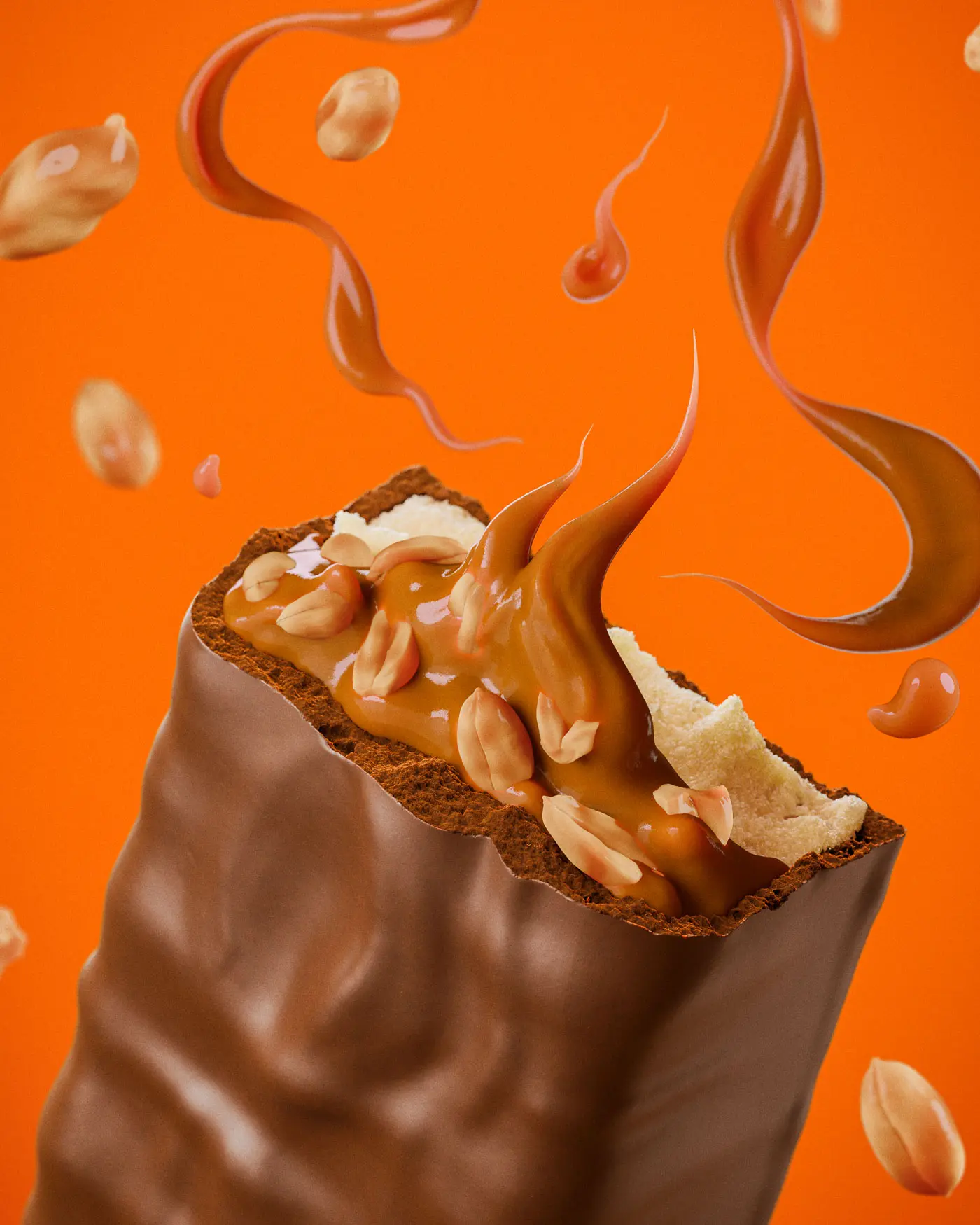
Marketing teams often need packaging visuals, social content, e-commerce assets, advertising and retailer presentations before a product is physically ready.
Traditional photography usually waits for final packaging, samples, styling, studio scheduling and a production team. A delay in any one of those stages can affect the entire launch calendar.
CGI changes when visual production can begin
With approved packaging artwork and reliable product specifications, a CGI team can begin creating campaign assets while manufacturing is still underway.
That gives marketing, sales and retail teams more time to prepare communication, validate creative directions and coordinate launch materials.
- Advertising key visuals
- Social media content
- Website and e-commerce imagery
- Retail presentations
- Seasonal campaign adaptations
One asset, multiple launch needs
A well-built 3D product is not limited to one final image. It can become the foundation for new crops, angles, flavor variations, backgrounds and channel-specific formats.
This reduces repeated production and helps brands maintain the same lighting, proportions and product character throughout the campaign.
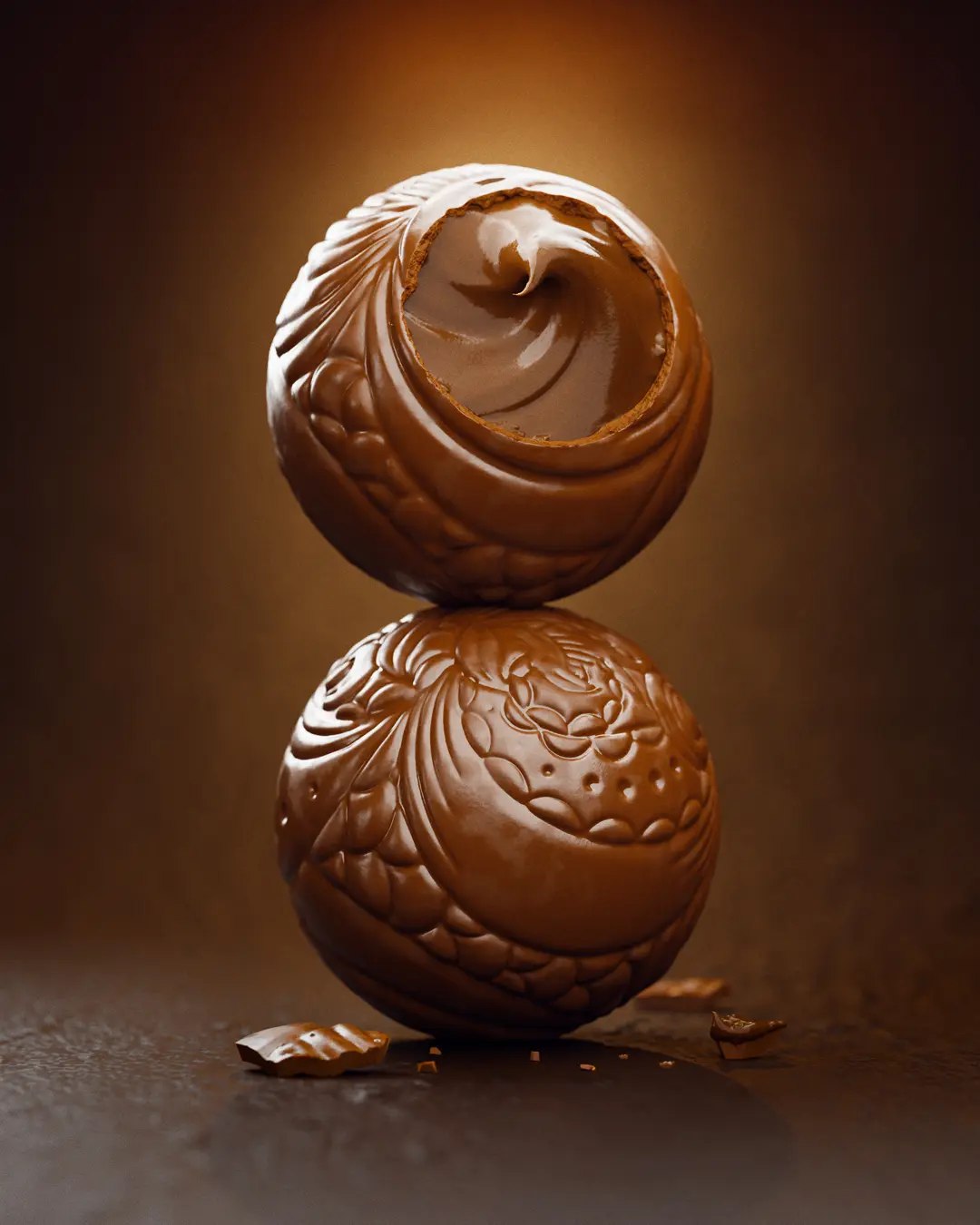
A premium chocolate example shows how this approach works in practice: Reimagining a Premium Chocolate Truffle in CGI.
Faster decisions with fewer physical constraints
Packaging updates, ingredient emphasis and composition changes can be reviewed digitally before expensive production decisions become final.
CGI does not remove the need for a clear brief. It makes that brief easier to test, refine and scale.
A strategic marketing advantage
As launch cycles become faster and the demand for content grows, CGI gives food and consumer brands more control over both timing and creative consistency.
The result is not simply a faster image. It is a more flexible visual system built around the realities of modern product marketing.
Frequently asked questions
What brands usually ask before starting.
What is the difference between CGI product images and product photography?
Product photography records a physical product with a camera. CGI product imagery builds a digital 3D version of the product and creates images by controlling its model, materials, lighting and camera. Both can be photorealistic; they differ in production inputs and how easily the image can be revised or extended.
Is CGI always cheaper than product photography?
No. The cost depends on the product, art direction, number of images, revisions and how long the assets need to remain useful. A single straightforward photograph can be efficient; a larger program with many versions or updates may benefit from a reusable CGI asset. Compare the full deliverable set, not only the cost of one image.
Can food brands use CGI and photography together?
Yes. Many campaigns can use photography for people, locations or real moments and CGI for precise product views, packaging variations or imagery that needs to be prepared before final samples are available.
About GS Creative 3D
Premium CGI for food and consumer brands.
GS Creative 3D creates photorealistic product imagery for launches, packaging, campaigns and e-commerce—combining material craft with commercial art direction.
Discuss your next launch